Posts

Showing posts with the label Hair

10 effective home remedies to manage dandruff:

Image
  Dandruff is a common scalp condition caused by the shedding of dead skin cells. It can result from a dry scalp, oily skin, or fungal infections like Malassezia . Here are 10 effective home remedies to manage dandruff : --- 1 . Tea Tree Oil Why it works: It has antifungal and antimicrobial properties. How to use: Mix a few drops of tea tree oil with a carrier oil (like coconut or olive oil) and apply to the scalp. Leave for 30 minutes, then rinse. Tea tree oil is a popular natural remedy for dandruff due to its antifungal, antibacterial, and anti-inflammatory properties. It can help combat the yeast-like fungus Malassezia, which is often linked to dandruff, while soothing the scalp and reducing itchiness. How to Use Tea Tree Oil for Dandruff: 1. Diluted Application: Mix a few drops of tea tree oil with a carrier oil like coconut, jojoba , or olive oil. Apply it to your scalp and massage gently. Leave it on for 15–30 minutes, then wash with a mild shampoo. 2. Add to Shampoo: Add ...

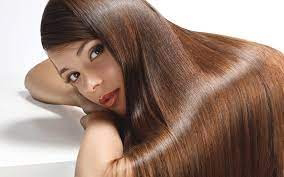
Benefits of Homemade Hair Conditioner

Image
Making homemade hair conditioner is a simple and cost-effective way to nourish and hydrate your hair using natural ingredients . Many store-bought hair conditioners contain chemicals and additives that can strip the hair of its natural oils and cause damage over time. By making your own conditioner at home, you can tailor the ingredients to suit your hair type and preferences while avoiding potentially harmful ingredients. In this guide, we'll explore how to make homemade hair conditioner using natural ingredients, along with tips on how to use it effectively for soft, healthy, and shiny hair. ### Benefits of Homemade Hair Conditioner Homemade hair conditioner offers several benefits compared to commercial products: 1. **Natural Ingredients**: Homemade conditioners use natural ingredients such as oils, herbs, and essential oils , which are free from harsh chemicals and additives. 2. **Customizable Formulas**: You can customize homemade conditioners to suit your hair...

Nourish and Protect: 7 Homemade Ingredients to Prevent Hair Fall

Image
Title: "Nourish and Protect: 7 Homemade Ingredients to Prevent Hair Fall" 1. Introduction     - The importance of healthy hair and common causes of hair fall     - Overview of natural ingredients that can help nourish and strengthen hair     - Introduction to the concept of DIY hair care using simple, homemade ingredients 2. Aloe Vera     - Benefits of aloe vera for hair health     - How to extract aloe vera gel from the plant     - DIY hair masks and treatments using aloe vera as a key ingredient     - Precautions and considerations when using aloe vera for hair care 3. Coconut Oil     - Properties of coconut oil that promote hair growth and prevent breakage     - Methods for applying coconut oil to the hair (e.g., pre-shampoo treatment, leave-in conditioner)     - DIY hair masks and scalp treatments using coconut oil     - Tips for choosing and stori...

Protecting your hair naturally

Image
Protecting your hair naturally is essential for maintaining its health, strength, and appearance. Hair is susceptible to damage from various environmental factors, styling practices, and chemical treatments, so taking steps to protect it is crucial. In this comprehensive guide, we'll explore various natural methods and remedies for protecting your hair and promoting its overall well-being. ### Understanding Hair Structure Before diving into natural hair protection methods, it's essential to understand the structure of your hair . Each strand of hair is composed of three layers: 1. **Medulla**: The innermost layer, which is present only in thick hairs. 2. **Cortex**: The middle layer, responsible for the hair's strength, color, and texture. 3. **Cuticle**: The outermost layer, consisting of overlapping scales that protect the cortex. Damage to the cuticle can result in dull, brittle, and frizzy hair . ### Common Causes of Hair Damage Several factors ...

Hair remover make at home

Image
 Creating a homemade hair removal product can be challenging and may not be as effective or safe as commercially available options. Many hair removal products , such as wax , depilatory creams , and sugaring pastes , are formulated and tested to ensure they effectively remove hair while minimizing skin irritation and adverse reactions. However, if you're interested in exploring natural methods for hair removal at home, one option is to make a sugar wax, also known as sugaring . Sugaring is a traditional method of hair removal that uses a mixture of sugar, water, and lemon juice. Here's a basic recipe for homemade sugar wax: **Ingredients:** - 2 cups granulated sugar - 1/4 cup water - 1/4 cup lemon juice **Instructions:** 1. In a heavy-bottomed saucepan, combine the sugar, water, and lemon juice. 2. Heat the mixture over medium-high heat, stirring constantly until it reaches a temperature of about 250°F (120°C). This may take around 10-15 minutes. 3. Once the mixture turns a gol...

How to make hair removal cream at home

Image
 Creating a homemade hair removal cream can be challenging and may not be as effective or safe as commercially available products. Many hair removal creams use chemical ingredients that require careful formulation and testing to ensure they are effective and safe for the skin. Attempting to make your own hair removal cream can risk skin irritation, burns, or other adverse reactions if not done correctly. If you're interested in natural methods for hair removal, consider alternatives like sugaring or waxing, which can be done at home with simple, natural ingredients. Here's a basic recipe for homemade sugar wax: **Ingredients:** - 2 cups granulated sugar - 1/4 cup water - 1/4 cup lemon juice - Cotton strips or cloth strips **Instructions:** 1. In a heavy-bottomed saucepan, combine the sugar, water, and lemon juice. 2. Heat the mixture over medium-high heat, stirring constantly until it reaches a temperature of about 250°F (120°C). This may take around 10-15 minutes. 3. Once the ...